Ngorongoro Crater is still open. The roads still run down to the floor, and the flamingos are still on Lake Magadi. But the conservation area around that crater has faced a different kind of spotlight this year. UNESCO’s World Heritage Committee reviewed Ngorongoro’s status at its 48th session in Busan, South Korea, from July 19 to 29, 2026. The question on the table was not scenery. It was whether tens of thousands of Maasai residents can keep living inside a UNESCO-listed landscape.
If you are planning a Tanzania safari, none of this closes a gate or cancels a crater descent. But it does explain why guides, camps, and local news are talking about Ngorongoro differently right now. It is worth understanding before you build an itinerary around it.
Why UNESCO Is Reviewing Ngorongoro At All
Ngorongoro Conservation Area (NCA) is one of the few UNESCO World Heritage Sites listed for both natural and cultural value. It covers roughly 8,292 km2 of crater, highland forest, and Rift Valley plains, and has carried that dual listing since 1979. The “cultural” half rests on one specific idea: Maasai pastoralists and wildlife sharing the same land. UNESCO calls this the Multiple Land Use Model.
That coexistence model is what the Committee has been checking on. Tanzania’s government now argues that population growth inside the NCA, along with rising cattle numbers, has made the old model unworkable. Independent monitors and Indigenous rights groups dispute that claim. UNESCO’s own site reports have asked Tanzania for updated data almost every year since 2019. The 2026 Busan session was the latest checkpoint, not a final verdict.
The Msomera Relocation, in Real Numbers
Since 2021, Tanzania has run a resettlement program moving Maasai residents out of the NCA. The destination is Msomera village in Handeni District, Tanga Region, roughly 600 km east of the crater. Officials describe the move as voluntary. Rights groups, including submissions reviewed by UNESCO and the UN human rights office, describe a mix of incentives and pressure instead. That makes “voluntary” a contested word on the ground.
The scale is the part safari planners tend to underestimate. Government figures cited in UNESCO’s documentation put the relocation target at roughly 82,000 people. That is against an NCA resident population that has grown fast. About 8,000 people lived here at the conservation area’s founding in 1959; well over 100,000 live here today. The relocation is meant to run through 2027, so it is not a finished program. It is a live one, and it is the reason NCA villages, grazing patterns, and even some lodge staffing look different than they did five years ago.
What the Busan Decision Actually Did
The Committee’s 2026 decision did not move Ngorongoro onto the List of World Heritage in Danger. That designation would flag active, serious threats to a site’s core values. Instead, the Committee again requested an updated conservation report from Tanzania. It also reaffirmed that protecting Indigenous residents’ rights is a founding objective of the site, not a side issue.
Advocacy groups, including Survival International, called the decision too soft. They argue it “notes” the relocation program rather than opposing it. Tanzania’s government points to infrastructure and conservation investment inside the NCA as evidence it is meeting its obligations. Neither side got a clean win in Busan. For travelers, the practical upshot is simple: Ngorongoro keeps its World Heritage status, keeps its tourism operations running, and stays under a review cycle. Expect another report and another Committee session before this settles.
Does This Change Anything at the Gate?
Not yet, and not in ways that affect how you book. Entry procedures, vehicle permits, and crater descent slots at Ngorongoro Conservation Area Authority (NCAA) checkpoints are unchanged. Fees are also unchanged from the current published tariff.
| Item | Rate (non-resident) | Notes |
|---|---|---|
| NCA conservation fee | approx. $70-71 per person per 24 hrs | Covers highland zone entry, not crater descent |
| Crater service (descent) fee | approx. $295 per vehicle | Per vehicle per trip, up to 6 passengers, same-day descent and ascent |
| Distance Arusha to Lodoare Gate | approx. 180 km | 3.5-4 hr drive on paved and graded road |
| Distance Ngorongoro to Naabi Hill Gate (Serengeti) | approx. 145 km | 3-4 hr drive across the highland rim and plains |
| Distance Ngorongoro to Msomera (Handeni) | approx. 600 km | Relocation site, not a tourist route |
| Crater floor elevation drop | approx. 610 m | From rim at ~2,286 m to floor at ~1,676 m |
Prices above are indicative; confirm current NCAA tariffs directly before you travel, since fee schedules are reviewed periodically.
What Actually Changes for a Traveler
The visible change is smaller than the headlines suggest. Villages inside the NCA, like those around Nainokanoka and Irkeepusi, have fewer residents than a decade ago. Some grazing land that once supported large herds now sits emptier. Guides based in Karatu and Arusha report more client questions about the relocation than about wildlife sightings. Regional coverage from outlets like The Citizen and Daily News has kept the story visible domestically.
None of this affects road access, crater permits, or lodge operations directly. Ngorongoro Serena Safari Lodge, Lemala Ngorongoro, Rhino Lodge, and the newer Lemala Osonjoi Lodge on the crater’s eastern rim all continue normal operations. What has shifted is tone. Several lodges and ground operators now brief guests on the resettlement context without being asked. The topic surfaces in international press often enough that guests arrive with questions already.
Should This Change Your Itinerary?
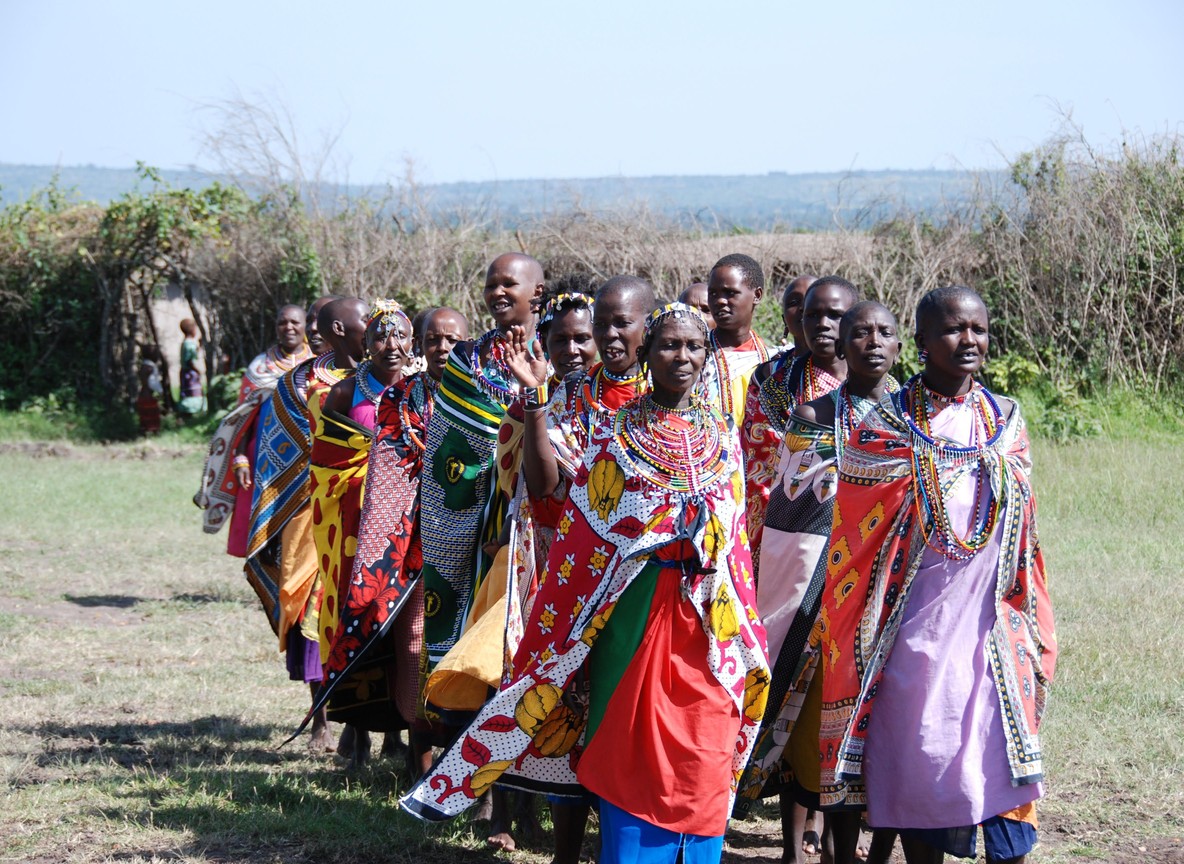
Not in terms of routing. Ngorongoro still pairs naturally with the Serengeti, usually as a one- or two-night stop before or after the plains. The link is Naabi Hill Gate. What might change is how you spend time at the boma visits some itineraries include. A handful of Maasai cultural visits inside the NCA now have fewer resident families to host them. Some operators have shifted boma stops toward communities outside the conservation area boundary, including those nearer Karatu and Mto wa Mbu, where the relocation does not apply.
Ask your operator directly where a cultural visit takes place. Find out whether the community you would visit sits inside or outside the NCA boundary. That single question tells you more than any general reassurance can.
Explorer Notes
Ask your guide directly, and let them lead. Most NCA-based guides are Maasai themselves or have close family ties to residents. Many hold strong, personal views on the relocation. Do not treat the topic as small talk. If a guide brings it up, listen more than you ask. When a driver stays quiet on it, do not press him; he is also a resident, and the program is not one he created.
Book crater descent slots the night before. NCAA caps daily vehicle numbers on the crater floor. Permits are checked at the Seneto and Lerai descent points each morning. Camps handle descent slots as part of your park logistics. Confirm your descent time the evening before rather than assuming a morning-of arrangement will work.
Skip generic “cultural village” stops near the main gate. Some roadside boma visits near Lodoare Gate run as tourist-fee stops, not as visits with an NCA resident family. If a genuine cultural exchange matters to you, ask whether the visit connects you to a resident household or a staged stop built for passing traffic.
Frequently Asked Questions
Is Ngorongoro Crater still open to visitors right now? Yes. The 2026 review did not close the crater, change permit rules, or affect NCAA operations. Entry, descent permits, and lodge access all continue as before.
Did UNESCO put Ngorongoro on the Danger List? No, not as of the 48th session in Busan. The Committee requested another updated conservation report from Tanzania instead of listing the site as in danger.
How many people are being relocated from Ngorongoro? Government figures cited in UNESCO documentation put the target at roughly 82,000 people. They are moving to Msomera village in Handeni District. The program is meant to run through 2027.
Will my safari support or oppose the relocation either way? Visiting Ngorongoro does not directly fund the relocation program, which is a Tanzanian government initiative. Conservation fees fund NCAA operations and infrastructure instead. If you want to support Maasai communities directly, ask your operator about community-run camps and craft cooperatives outside the NCA boundary.
Should I still combine Ngorongoro with the Serengeti this year? Yes. The route between the two, through Naabi Hill Gate, is unaffected by the review. Most itineraries still treat Ngorongoro as a one- or two-night stop on the way to or from the Serengeti’s central plains.
Ngorongoro is not going anywhere. The crater floor will look the same on your descent morning as it has for decades. Its politics are worth understanding before you go, not so you avoid the place, but so a guide’s comment on the drive up the rim road does not catch you off guard. If you want an itinerary that pairs Ngorongoro with the Serengeti or Tarangire the right way this season, check our Tour Packages page. Or ask a partner operator directly how their Ngorongoro cultural stops are structured this year.
What to Read Next
- Building a full Northern Circuit route? See our Ngorongoro to Serengeti itinerary planning guide.
- Weighing a Maasai cultural visit? Read our responsible cultural tourism in Tanzania guide.
- Deciding where to stay on the crater rim? Our Ngorongoro lodges comparison guide covers options at every budget.